InPublishing e-Commerce special – Distribution
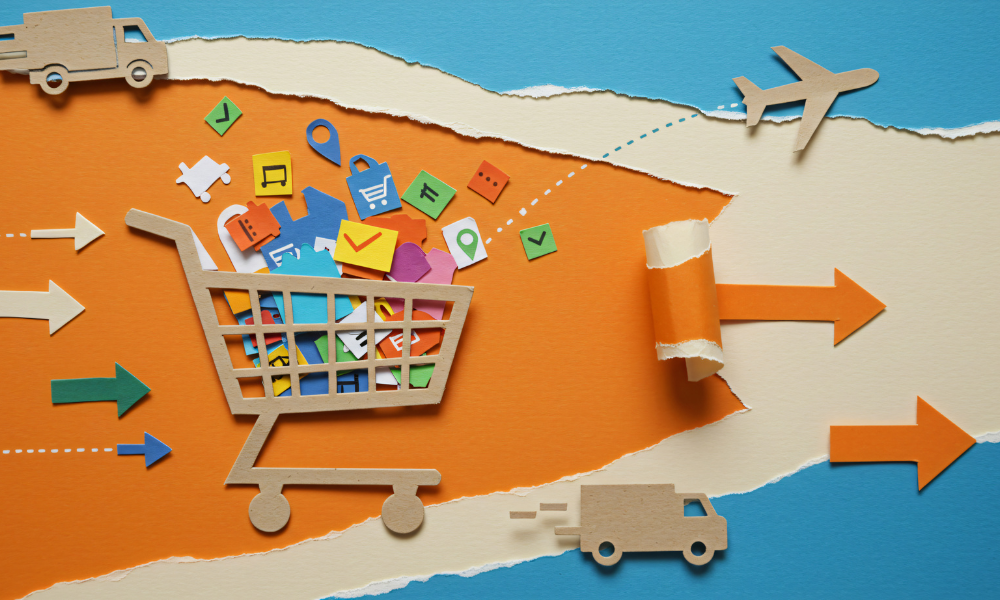
In a recent InPublishing e-Commerce special, our Global e-Commerce & Technology Director, Andy Haylar discusses publishing distribution. The current best practice, what to look out for in future and some top tips publishers should bear in mind…
Q: What is best practice now?
A: Best practice in publishing e-commerce distribution hasn’t fundamentally changed; rather, methods and expectations have been reshaped by technology and consumer standards set by Amazon, true for both merchandise and print products. Core principles remain flexibility, transparency, and customer centricity at competitive cost.
The rise of direct-to-consumer (D2C) models means publishers must orchestrate a complex ecosystem of fulfilment partners, warehouses and carriers across multiple geographies. The goal: deliver quality products, whether new book sales, back issues, bookazines, or branded merchandise, quickly, reliably, and sustainably while maintaining visibility and control.
Technology integration is key. Platforms should connect publishers, printers, and distributors in real time, providing data visibility on production progress, stock levels, shipment status, and delivery milestones. Transparency enables proactive communication, now an expectation, not a value-add.
Another best practice is offering a range of delivery options to meet diverse customer needs. Express, flexible, and tailored solutions such as click-and-collect, locker pickups and eco-friendly delivery are increasingly important. But equally critical is the customer experience: publishers are expected to provide seamless support, with real-time updates, accessible help channels, and proactive notifications.
Sustainability is no longer optional. Ethical sourcing, sustainable packaging and efficient routing are rapidly becoming standard requirements, driven by both regulation and consumer demand. Publishers must work with logistics partners who cannot only talk about sustainability but demonstrate measurable progress in reducing environmental impact.
The ability to scale operations, handling peaks in demand, managing returns efficiently and supporting international expansion is essential. This requires robust partnerships and a willingness to adopt new technologies and processes as the market evolves. Cross-border compliance is an area filled with complexity and potential pitfalls. Partnering with a fully compliant provider, one that avoids operating in the “grey area” and understands the difference between right and wrong, is critical to prevent disruptions to your e-commerce operations.
A great e-commerce logistics partner for publishers should be more than just a conveyor belt for products; they should act as a digital bridge for publishers, transforming the supply chain into a source of insight and opportunity.
It’s not just about tracking parcels; digitising the distribution process helps publishers spot new markets, test new formats, and respond to demand before it even hits the warehouse. It’s the difference between being a passenger on the supply chain and being the driver. Suddenly, a mid-sized magazine publisher in the UK can launch a merchandise campaign in Australia with the same confidence as a global media giant, because their logistics partner is not just delivering products, they’re delivering data, insight, and local expertise.
Q: How do you see it changing in the future?
A: Publisher distribution will become increasingly data-driven, automated, and customer-centric. Artificial intelligence and machine learning will play a pivotal role in optimising routing, predicting demand, enhancing customer experience, and managing inventory across global networks.
The “control tower” model, centralised dashboards delivering real-time, end-to-end visibility, will become the industry standard. This approach equips publishers to make faster, data-driven decisions and maintain proactive, transparent communication with customers throughout the entire distribution journey.
Sustainability will move from compliance to competitive advantage. Publishers and their logistics partners will be expected to demonstrate not just carbon reduction, but circular logistics practices such as efficient returns, refurbishment, and recycling of materials.
The boundaries between physical and digital distribution will continue to blur. On-demand printing for back issues and special editions will expand, allowing publishers to reduce inventory risk and serve global markets with minimal waste. At the same time, customer expectations for speed, flexibility, and communication will rise, with same-day or next-day delivery and real-time support becoming standard for more products.
Publishers will need to ensure their distribution partners have diversified channels, reducing dependence on any single carrier or region. Geopolitical shifts, trade tensions, and evolving consumer preferences will require agile, resilient supply chains that can adapt quickly to change.
The future belongs to publishers and partners who treat distribution as a strategic growth lever, not a cost centre.
Three top tips
- Invest in data visibility and CX: Ensure you have real-time access to key supply chain data from print job status to final-mile delivery and use it to provide proactive, transparent communication with customers.
- Prioritise sustainability: Choose logistics partners who can demonstrate measurable progress in sustainable practices and be transparent with your customers about your efforts.
- Embrace flexibility and perception — with global reach, local presence: Offer a range of global delivery options and be prepared to adapt your distribution model as customer expectations, geopolitics and market conditions evolve.
Credit: James Evelegh, InPublishing (05.12.2025)
News
Insights, updates, and stories from behind the scenes at Air Business, delivered straight from the team.